
Traverse County Civil Docket Searches
A Traverse County civil docket search starts online. The entry point is Minnesota Court Records Online Case Search, known as MCRO. Pick Civil. Narrow the court location to Traverse. A verified case number works best, though a party-name search is also possible. Before trusting a result, check the case header, county, filing date, and category. That way you have the right Traverse County matter.
The blue case link opens the public Register of Actions. Think of it as the chronological history, not the whole file. The local court record may hold public documents, a hearing history, financial information, and an index. Each product follows its own access rule. Want a paper, older, or certified record? Contact Court Administration, since the remote result may not be complete.
- Select Civil in MCRO and choose Traverse as the court location.
- Enter the known case number, or use the party-name fields to locate a lead.
- Confirm the Traverse County case category, filing date, and case header.
- Read ROA entries in date order and note the exact document or order needed.
- Use Court Administration, a courthouse terminal, mail, or an appropriate eFS request route for copies.
Traverse County Civil Case Numbers
Traverse County civil case numbers use county code 78. One common pattern is 78-CV-YY-####. But the exact category and suffix must come from the record itself. A number pins down the court file far better than a broad name search. It won't spell out every procedural step or guarantee a document is available online.
The category line matters just as much in a Traverse County civil matter. Major and minor civil cases, conciliation matters, eviction or unlawful-detainer cases, family cases, probate matters, and other subdivisions make up the lineup. Each follows different procedures. A calendar caption can't tell you the precise type of claim or the outcome. Neither can a city name.
Self-represented court users can turn to the official Minnesota Guide & File service. It is a filing-guidance tool. It walks through forms and filing choices for civil matters.
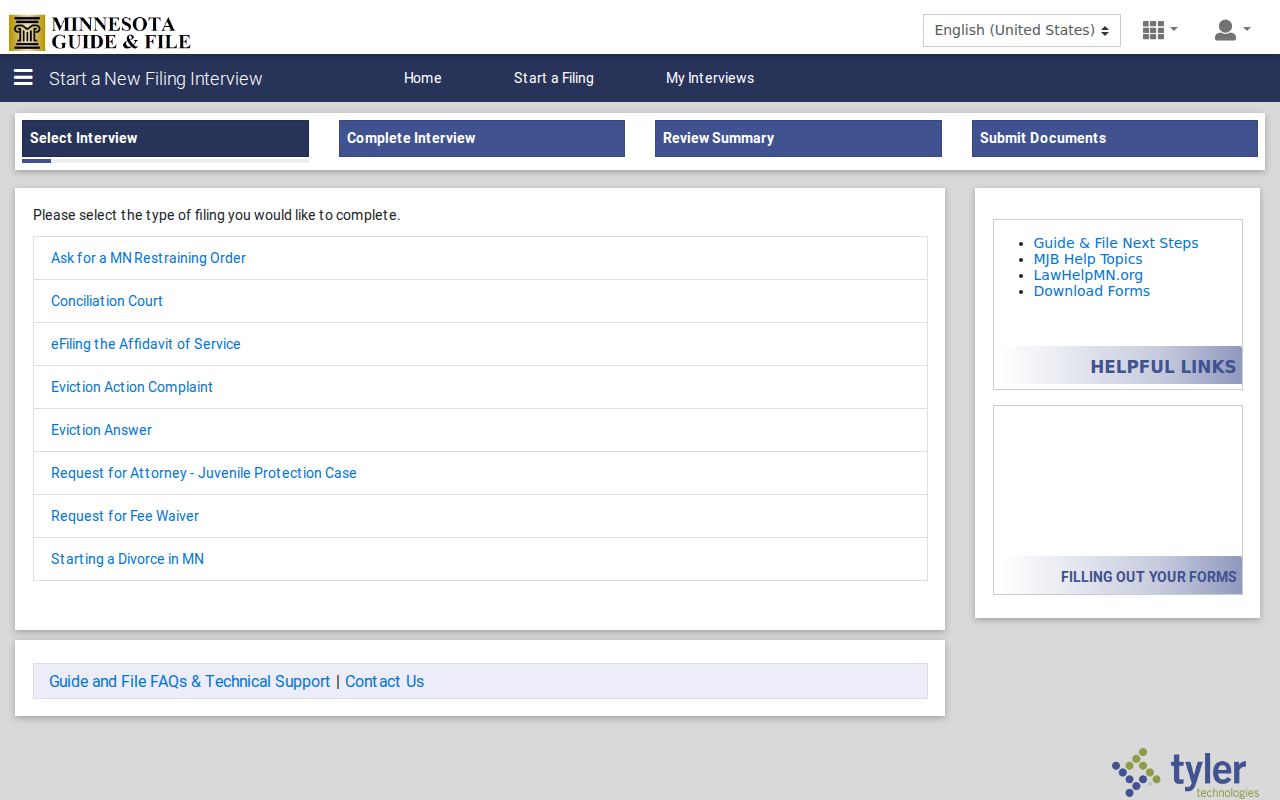
Guide & File helps with forms and filing decisions. Once a Traverse County case is filed, the Register of Actions stays the court's own chronology of it.
Civil Dockets: What They Show
What can a Traverse County civil ROA show? Expect the filing date and category, party roles and attorneys, a complaint or petition, service activity, an answer, motions, orders, hearings, judgment, post-judgment entries, financial information, and a public document index. Availability varies with the case and the access rules. Keep one caution in mind: a listed filing is not a ruling, and a hearing date proves nothing about what later happened.
Read the exact terms the Traverse County record displays. A plaintiff brings a civil claim. A defendant responds. A petitioner asks the court for relief, and a respondent answers a petition. A judgment is a formal adjudication, and a default judgment can follow a failure to respond, though its meaning still depends on the record's full context.
| Case header | Traverse County number, filing date, court location, category, and current status. |
|---|---|
| Party roles | Displayed plaintiff, defendant, petitioner, respondent, attorneys, or other case participants. |
| ROA chronology | Dated filings, service, motions, orders, hearings, and post-judgment events. |
| Document index | Publicly available filing references; an index is not a guarantee of an image online. |
| Financial area | Publicly exposed judgment amount, costs, payment, or balance information when applicable. |
Note: A Traverse County civil docket is a case history. A certified copy is an authenticated product requested from Court Administration.
Traverse County Civil Filing Routes
Minnesota eFS is the state's official electronic filing and service system. Attorneys, government agencies, and guardians ad litem must use it statewide. Self-represented parties may opt in, but once they do, everything must continue electronically. For a Traverse County civil filing, route paper and administrative questions to Court Administration. Eligible electronic filings go through the official system. Minnesota's district-trial-court filing instructions lay out the statewide eFile and eServe route.
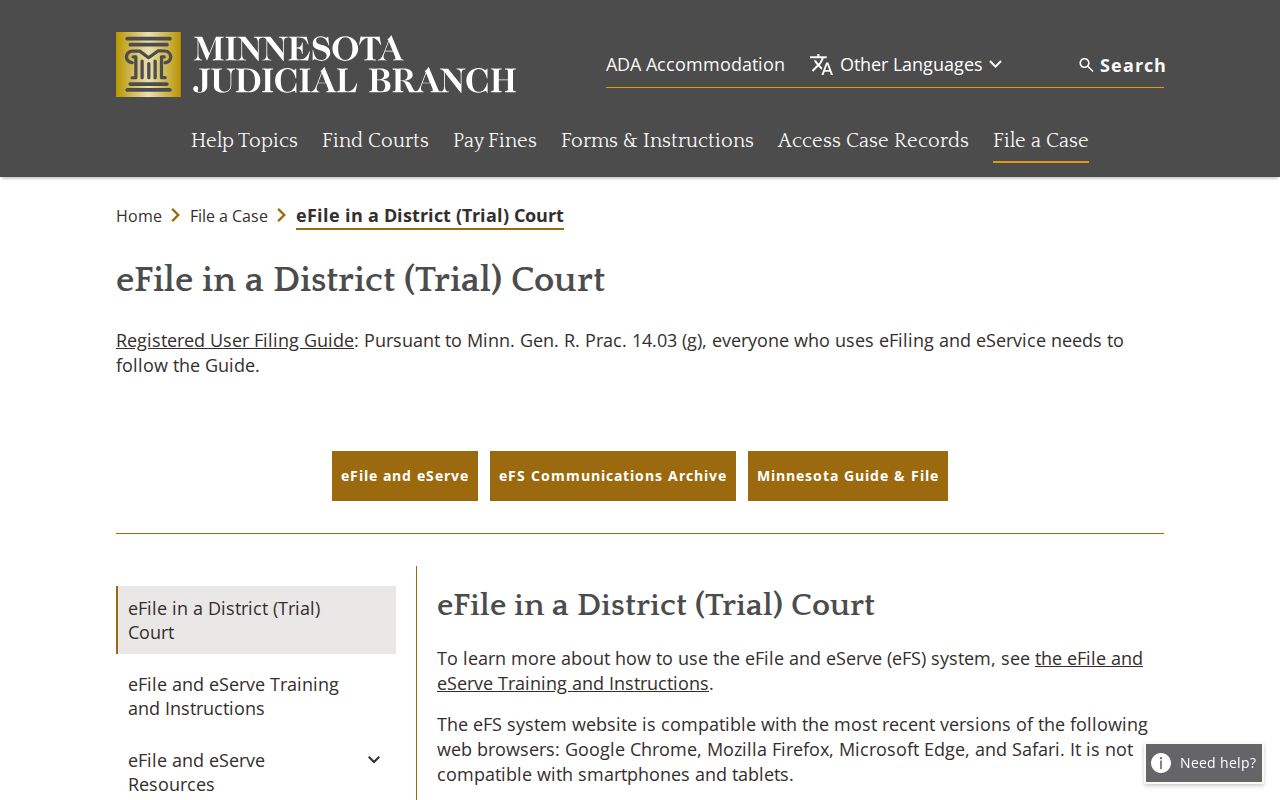
Electronic filing doesn't replace the Register of Actions. Nor does it keep every filed image permanently viewable in the eFS interface. Charging documents in criminal cases sit outside this ordinary civil filing rule.
What Cases Fill the Civil Docket
Traverse County District Court holds original jurisdiction over civil, family, probate, juvenile, criminal, and traffic matters. The civil-facing docket includes major and minor civil claims. It also covers conciliation court matters, eviction or unlawful-detainer cases, family matters, probate, mental-health, and related filings. Start with the category to understand a case's procedural shape.
Conciliation court is Minnesota's small-claims route, but it is not identical to major civil litigation. Probate and mental-health records carry special access considerations. Family case search results can appear in MCRO. However, party-submitted family and paternity documents face remote-access limits. And a Traverse County calendar listing never establishes a civil judgment or a complete case file.
| Traverse County category | ROA focus | Access caution |
|---|---|---|
| Major or minor civil | Claims, service, motions, orders, hearings, and judgment | Public images follow coverage and Rule 8 restrictions. |
| Conciliation | Small-claim procedure and court events | Use the current category-specific fee information. |
| Family, probate, or mental health | Case-specific public court activity | Some filings and documents have added remote restrictions. |
Traverse County Civil eFS Access
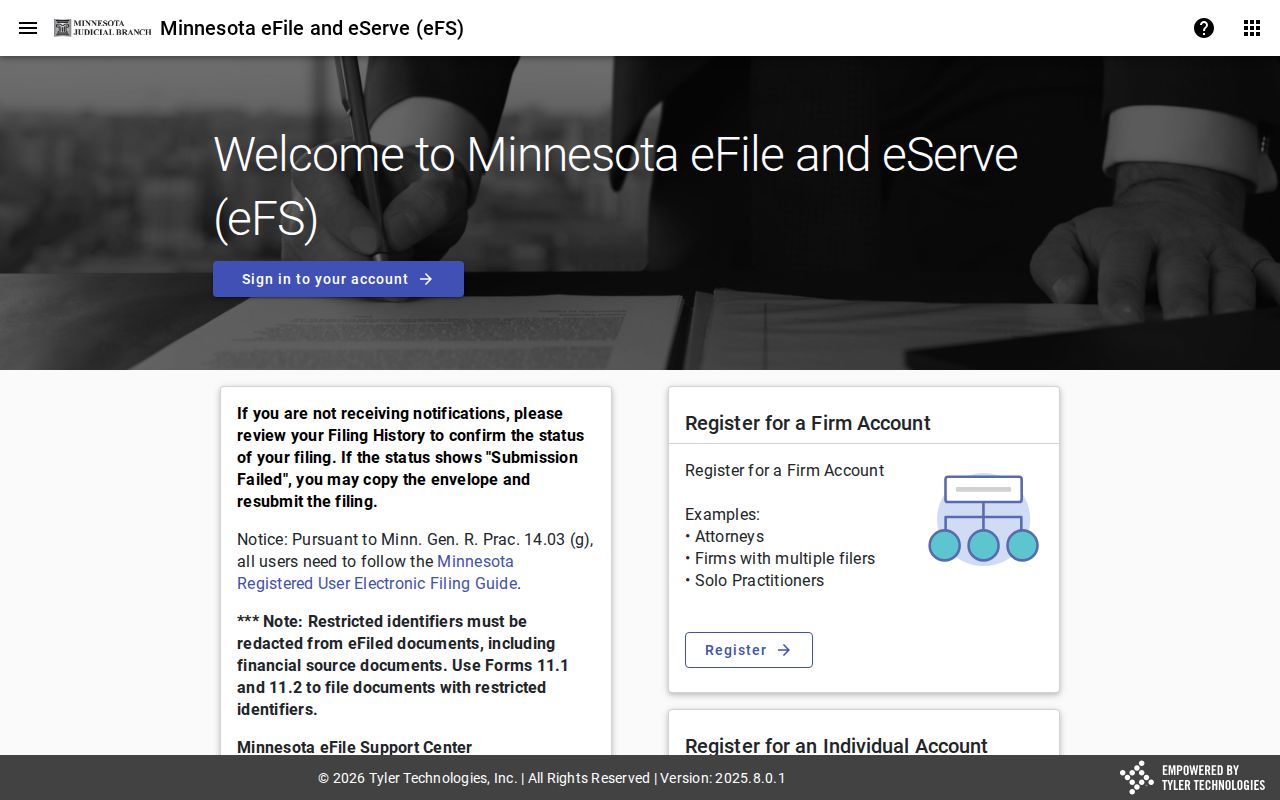
Minnesota eFS is the official filing portal for eligible Traverse County civil matters. It requires an appropriate account. You'll also need a current desktop browser, plus a valid email and payment method where required. It's a filing channel, not a public case-search product. For the public Register of Actions, MCRO is the better starting point.
A Traverse County document request moves faster when you bring the right details. Give Court Administration the case number and the year. Add the document title or a short description. Say how many copies you need and whether you want them plain, certified, or exemplified. Delivery preference matters too. Files that are older or stored off-site can simply take longer to pull.
Hearings on the Civil Docket
A Traverse County civil hearing can show up in two places. It may appear in the ROA and in a calendar product. Each one does different work. The hearing line only shows a setting. For a later ruling, a continuance, or any other event in order, the ROA is the stronger chronological source. Watch for setting words like motion hearing, pretrial or status conference, trial, review, and other hearing. But keep the precise label the court itself displays.
The daily Traverse calendar comes out each business day and is updated hourly. Some matters stay off it. Confidential cases and records that are not remotely accessible may be omitted from the online calendar. For same-day verification, the printed calendar at the courthouse is described as the most current. Court Administration can clear up an uncertain setting.
One caution on old dates. A Traverse County hearing date can linger in the ROA after a continuance. Compare the newest entry with the current calendar.
Traverse County Civil Documents After 2015
MCRO describes remote coverage for public major and minor civil documents filed on or after July 1, 2015. That is not universal access. A public Traverse County ROA can exist. The document image may be unavailable remotely. An older public file may still require a courthouse terminal or a copy request. Rule 8 and case-specific restrictions apply. They control what anyone can see.
General Rule of Practice 14 governs electronic filing and service. The rule text is the official statement of those requirements.
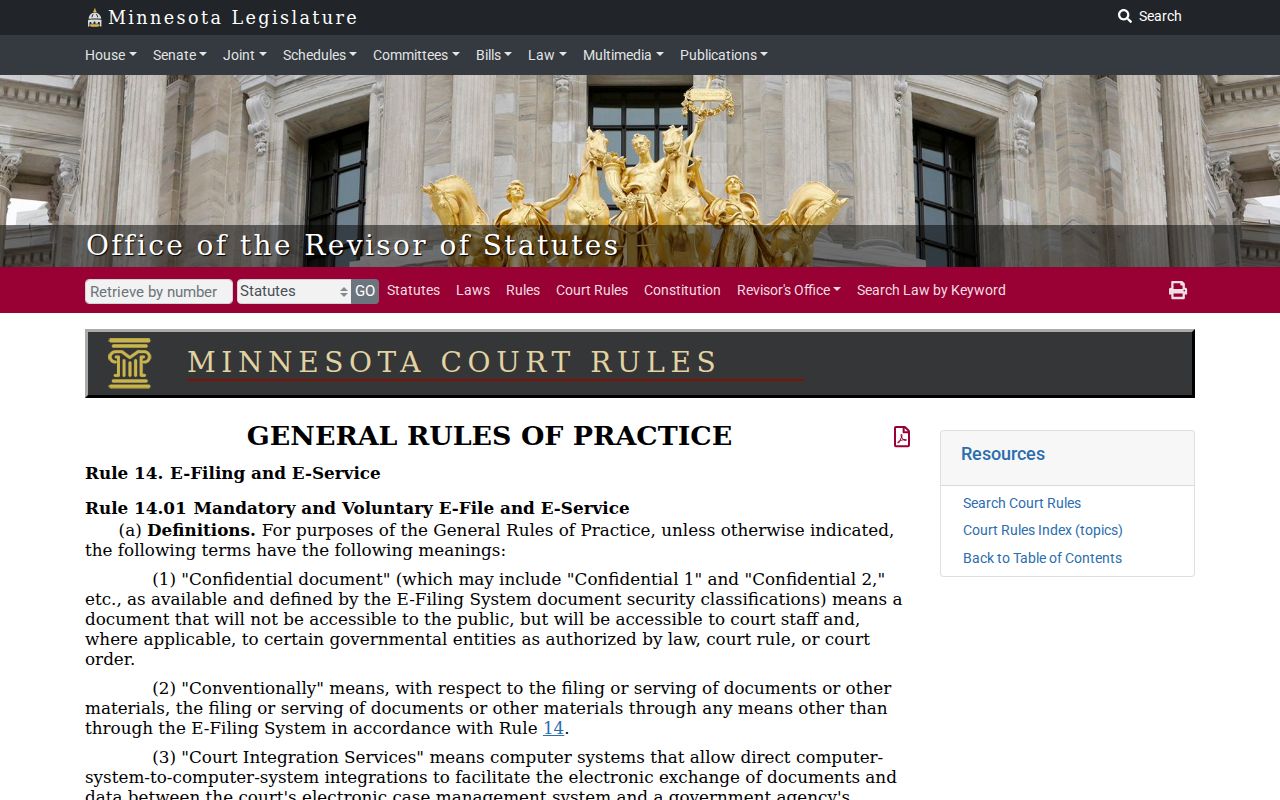
Remote coverage and e-filing are separate questions in Traverse County. A document's filing route does not decide whether the public can inspect or download it later.
Who Can See Civil Dockets
Who gets to see Traverse County civil dockets? The Minnesota Rules of Public Access to Records of the Judicial Branch govern the answer. MCRO serves as the public remote channel. Courthouse terminals may show a fuller public electronic view, while Court Administration handles paper, mail, in-person, and appropriate eFS copy routes. Not everything is open, though. Personal identifiers, protected filings, sealed records, and certain family, probate, commitment, or evidence materials can be absent or restricted.
Access framework:
Rule 8 covers inspection, copying, registers of actions, and the narrower scope of remote public access.
Rule 4 identifies nonpublic and confidential records or categories.
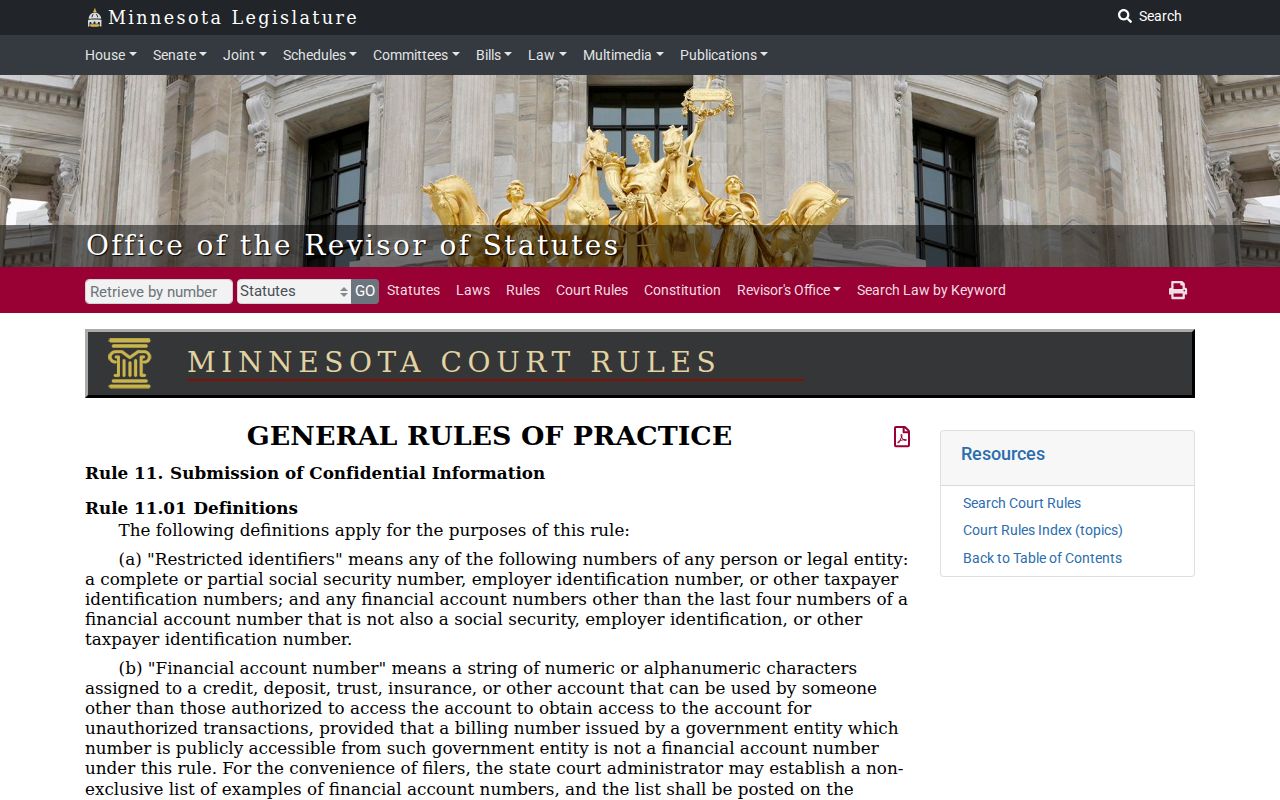
General Rule 11: General Rule 11 addresses redaction and how nonpublic documents are treated. The rule text sets out that filing privacy context for Traverse County civil dockets.
A record missing from a remote search is not necessarily closed. It may need a case-number search, a check at a courthouse terminal, or a request to Court Administration. A staff member can explain the access procedure but cannot provide legal advice.
Traverse County Civil Copy Choices
Ask for the exact Traverse County pleading, order, judgment, or other instrument. Specify whether you need a plain, certified, or exemplified copy. Documents available on MCRO can be viewed or downloaded without charge. Those copies are not certified, though. Court Administration is the local record keeper for a certified court product.
The current Traverse fee page lists a certified-copy product at $14. Court fees can change. The same official source requires category and product verification, so confirm before you request. The Traverse district-court fee selector is the official current reference under Minn. Stat. § 357.021.
Requests work best with clear details. Give the case number, the year, and the exact document title. Also give the requested format, quantity, contact information, delivery preference, and payment arrangement. The statewide copy guidance permits in-person, mail, and appropriate eFiling routes. Confidential records are different. The applicable CON100 or CON101 process may be required, and a judicial officer decides access. Court employees can describe the procedure. They cannot advise which legal option a requester should choose.
Note: Plain, certified, and exemplified copies are different products. An older Traverse County file may need extra time for retrieval through the relevant Court Administration office.